A personalised gift works when the personal detail is small, meaningful and on something worth keeping. It fails when a name or a photo is used to dress up an ordinary object. Choose a good item first, then personalise it quietly, and leave enough time for it to be made properly.
Start with the object, not the name
The most common mistake is choosing the personalisation before the gift. A name printed on a cheap mug is still a cheap mug. Begin with something you would be happy to give unpersonalised:
- A leather wallet, card holder or passport cover
- A brass or silver keepsake box
- A wooden chopping board or serving tray
- A good-quality notebook or journal
- A piece of simple jewellery
- A framed print or illustrated map
Then ask: would a small, well-placed detail make this more theirs?
What to personalise with
Initials, not full names
Initials look elegant on leather, metal and stationery. Full names tend to look loud and childish on adult gifts.
Dates and coordinates
A wedding date, the coordinates of the place you met, or the year a family home was built. These are understated and meaningful, and they only make sense to the people involved, which is the point. Popular for anniversary gifts and wedding gifts.
Handwriting
Some makers can engrave from a handwritten note. A parent's or grandparent's handwriting on a keepsake can be deeply moving.
A shared reference
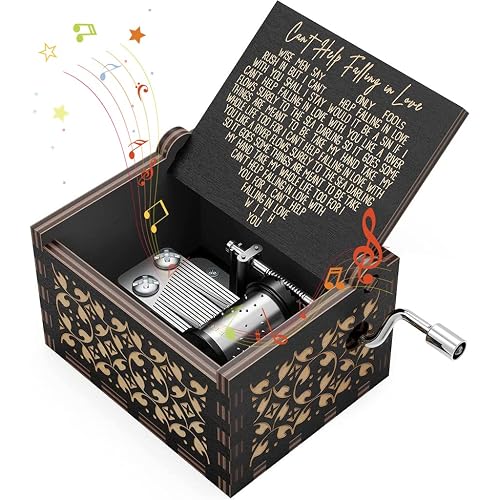
A line from a song, a family saying, an inside joke kept short. If it would need explaining to a stranger, it is probably right.
Where to place it
Discreet placement almost always looks better:
- Inside a wallet flap rather than on the front
- On the base or back of a tray or board
- Inside a ring or on the reverse of a pendant
- On the inside cover of a notebook
This keeps the object usable in public without feeling like a name badge.
What to avoid
- Photo-printed cushions, mugs and t-shirts for adults, unless the recipient loves that style. They are hard to use and hard to give away.
- Spelling errors. Check spelling, especially of names with variations (Neha or Nehaa, Mohammad or Mohammed). Ask a family member if you are not sure.
- Personalising items they may want to exchange. Clothing and sized items cannot usually be returned once personalised.
- Nicknames they may not want public. What is sweet in private can be embarrassing on a desk at work.
- Corporate personalisation that is all logo. For office gifts, a small logo or initials on a quality item is fine; a large logo turns a gift into merchandise. See gifts for colleagues.
Timing: plan for production
Most personalised items need several days to a couple of weeks to make and deliver, and longer during busy seasons like Diwali and wedding season. Order early, and check each seller's stated production time. If you are short of time, a plain gift with a handwritten note is better than a rushed engraving; our guide to last-minute gifts has options.
Who personalised gifts suit
- Couples: a date or coordinates on a keepsake
- New parents: a name on a wooden toy or a birth-details print; see gifts for kids
- Parents and grandparents: a family tree print, or handwriting on a keepsake
- Teachers and mentors: initials on a pen or notebook
- Retiring colleagues: a dated keepsake from the team; see retirement gifts
Presentation
Personalised gifts deserve a reveal. Wrap so the personal detail is the last thing they see: a wallet with the initials facing down in its box, an engraved tray under a layer of tissue. Add a card explaining why you chose those words or that date. For box and tissue ideas, see our gift packaging page.
In short
- Choose a good object first, then personalise it.
- Prefer initials, dates and short shared references.
- Place details discreetly.
- Check spelling twice and allow time for production.
- Avoid photo prints and large logos on adult gifts.